
The Complete British Herbal Tea Steeping Guide
Preparing a satisfying cup of herbal tea is straightforward once you understand a few core principles: match water temperature to plant type, respect steeping times, and use the right equipment. British kitchens — from compact London flats to spacious farmhouse cottages — can produce excellent infusions with nothing more than a kettle, a mug, and a simple strainer. This guide covers everything from a quick single cup to larger pots for sharing.
Try Our Recipes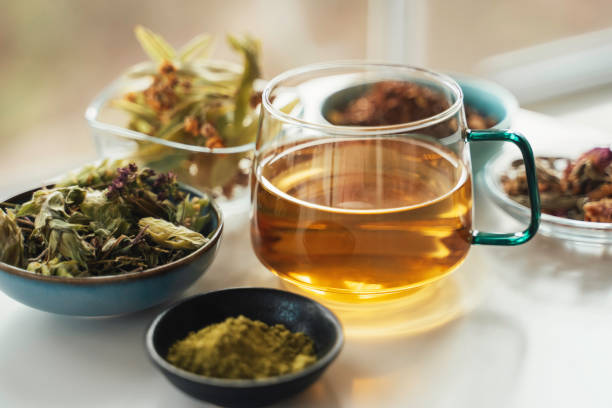
Essential Equipment for Home Tea Preparation
You do not need expensive gear to prepare excellent herbal tea in Britain. A temperature-controlled kettle — increasingly common in UK households — lets you set precise heat levels for different herbs. If you have a standard boil-only kettle, simply open the lid for thirty seconds after boiling to drop the temperature before pouring over delicate flowers.
Infuser options range from basket infusers that sit inside a mug to traditional teapots with built-in strainers. Glass teapots are popular because they let you observe colour development — chamomile turns pale gold within three minutes, while rosehip deepens to amber over a longer steep. Avoid aluminium vessels for acidic herbal infusions; ceramic, glass, and stainless steel are neutral and widely available at British homeware shops.
A kitchen timer — even the one on your mobile phone — removes guesswork during your first sessions. As you gain experience, you will develop an intuitive sense of when an infusion looks and smells ready, but timing remains the most reliable tool for consistency.
Kettle
Variable-temperature kettles set to 90–95 °C for most herbs. Standard kettles work with a brief cooling pause.
Strainer
Fine mesh for chamomile flowers; wider mesh suits peppermint and nettle leaf.
Step-by-Step Steeping Method
- Measure your herb. Use one heaped teaspoon of dried material or two teaspoons of fresh leaves per 250 ml cup. Roots and bark need slightly more — about one and a half teaspoons dried per cup.
- Heat your water. Bring fresh cold water to the appropriate temperature. Filtered water improves taste in hard-water areas common across southern and eastern England.
- Preheat your vessel. Swirl a small amount of hot water in your teapot or mug, then discard. This prevents the infusion from cooling too quickly during steeping.
- Pour and cover. Add herbs to the infuser, pour water, and immediately cover with a lid or saucer. Covering traps volatile aromatic compounds that would otherwise escape as steam.
- Steep and taste. Set your timer according to the herb type. Taste at the minimum time and extend if you prefer a stronger cup. Strain completely to avoid over-extraction from leaves sitting in water.
Water Quality Across the UK
Water hardness varies significantly across Britain. London, Southampton, and much of the southeast draw from chalk aquifers producing hard water rich in calcium carbonate. This can mute delicate chamomile notes and make peppermint taste flat. Scottish and Welsh soft-water regions often produce brighter, cleaner-tasting infusions without any filtration.
Practical solutions for hard-water households include using a jug filter, bottled spring water for special blends, or adding a thin slice of lemon to finished cups to lift perceived brightness. Some British tea enthusiasts collect rainwater for garden herbs but should boil it thoroughly before use and check local regulations on collection.
Always start with fresh cold water rather than re-heating water that has sat in the kettle for hours. Re-heated water loses dissolved oxygen, which can make herbal infusions taste stale and lifeless — a subtle but noticeable difference side by side.
Decoction vs Infusion — When to Simmer
Most British herbal teas are infusions: pour hot water over plant material and steep. Decoctions — gently simmering tougher plant parts in water — suit roots, bark, seeds, and dense berries. Ginger root, cinnamon sticks, and dried rosehips develop deeper flavour and colour with ten to fifteen minutes of simmering in a small saucepan rather than simple steeping.
To make a decoction, add plant material to cold water in a stainless steel pan, bring to a gentle simmer, cover partially, and cook on low heat. Strain through a fine sieve into your cup. This method extracts deeper flavours and richer colour. After simmering roots, you can top up with additional hot water to reach your preferred strength without starting over.
For blended recipes combining flowers and roots — such as a winter spice mix with rosehips and cinnamon — simmer the tough ingredients first for ten minutes, remove from heat, add delicate flowers, cover, and steep for a further five minutes off the heat.

Safety & Responsible Use
Always use food-grade containers and utensils when preparing herbal infusions. Decorative ceramics not labelled food-safe may leach glazes into hot liquid. Clean infusers and teapots thoroughly between uses — residual oils from previous infusions can taint delicate flavours and harbour bacteria in damp conditions common in British kitchens.
Do not leave prepared herbal tea at room temperature for more than two hours. Refrigerate iced infusions promptly and consume within forty-eight hours. Reheating herbal tea in a microwave is safe from a food hygiene perspective but often diminishes aroma; fresh steeping is preferable.
- Discard mouldy or discoloured dried herbs immediately
- Never steep unknown plants without positive identification
- Strong peppermint has an intense menthol aroma — adjust strength to your taste preference
- Keep hot liquids away from children — use insulated cups with lids when needed
Events Calendar
| Date | Event | Location |
|---|---|---|
| 3 February 2026 | Winter Steeping Techniques Workshop | Edinburgh |
| 17 May 2026 | Teapot & Infuser Craft Fair | Stoke-on-Trent |
| 29 August 2026 | Iced Herbal Tea Masterclass | Brighton |
| 16 November 2026 | Home Blending & Steeping Day | Southampton |
Frequently Asked Questions
-
Yes. Covering retains heat and traps aromatic compounds. A small saucer placed over the mug works perfectly. In teapots, always use the lid. This simple step noticeably improves flavour, especially for chamomile and lemon balm.
-
A French press works well for leaf herbs like peppermint and nettle. Clean it thoroughly to remove coffee oils. Avoid using the same press for coffee and tea if you want pure herbal flavours — residual coffee taste is difficult to eliminate.
-
Bitterness usually means over-steeping or water that is too hot for delicate flowers. Reduce time by two to three minutes, lower water temperature to 90 °C, and strain promptly. Lavender and chamomile are particularly sensitive to over-extraction.