
Seasonal Herbal Tea Blends for the British Calendar
Britain's four distinct seasons each bring different plants to the hedgerow, garden, and market stall. Aligning your herbal tea choices with the calendar connects your daily cup to the rhythms of the natural world — and often means working with fresher, more affordable ingredients. From the first nettle shoots of March to festive spice blends in December, these seasonal recipes help you make the most of what each month offers.
View Classic Recipes
Spring — Renewal & Fresh Growth
Spring in Britain arrives unevenly — Cornwall may see wild garlic in February while the Scottish Borders wait until April. Nettle tops, cleavers, and young dandelion leaves appear in succession, offering clean, green flavours after winter's heavier food traditions. Spring blends tend toward lightness and clarity rather than the warmth demanded by autumn and winter cups.
The Spring Garden Blend combines 1 tsp dried nettle, 1 tsp cleavers (fresh or dried), and ½ tsp dried lemon balm in 300 ml water at 95 °C. Steep covered for 7 minutes and strain well. Cleavers have a mild cucumber-like quality that lifts the deeper nettle base. This blend is popular among allotment gardeners in the Home Counties who gather cleavers from plot edges before they set seed.
Another spring favourite is Elderflower Bud Tea — picked just before flowers open fully, the buds offer a more concentrated flavour than mature blossoms. Use sparingly: ½ tsp per cup, 4 minutes at 90 °C. The brief elderflower season makes dried stock valuable for year-round enjoyment.
Summer — Cooling & Refreshing Cups
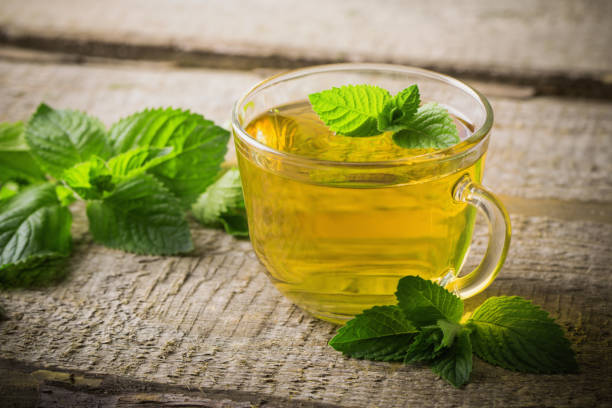
British summers vary from heatwaves in the southeast to cool, damp weeks in the northwest. Iced and room-temperature herbal infusions become daily staples when temperatures climb above 20 °C. Peppermint, spearmint, lemon balm, and fresh rose petals from the garden form the backbone of summer blending.
The Garden Party Cooler serves six: steep 3 tbsp fresh peppermint and 2 tbsp fresh lemon balm in 1 litre of water at 95 °C for 10 minutes. Strain, add juice of one lemon and 2 tsp honey, cool, and refrigerate. Serve over ice with edible flower garnishes if available. This recipe appears at village fêtes across Sussex and Hampshire each July.
For a simpler single-serving option, steep double-strength spearmint tea (2 tsp dried leaf, 150 ml water, 8 minutes), pour over a glass of ice, and top with cold water. No sweetener needed — spearmint's natural sweetness carries the drink.
Autumn — Hedgerow Harvests
Rosehip & Hawthorn Infusion
After the first frost sweetens rosehips and hawthorn berries, gather both for a tart, fruity autumn cup. Simmer 1 tbsp crushed rosehips and 1 tsp hawthorn berries in 400 ml water for 15 minutes. Strain, sweeten lightly with honey, and serve in stoneware mugs during bonfire season evenings.
Apple & Cinnamon Tisane
Combine dried apple pieces from British orchard windfalls with a cinnamon stick and ½ tsp dried orange peel. Simmer 12 minutes in 350 ml water. The aroma fills the kitchen — a popular October blend in apple-growing regions of Herefordshire and Kent.
Sage & Thyme Warming Cup
As temperatures drop, garden sage and thyme offer earthy depth. Steep ½ tsp dried sage and ½ tsp dried thyme in 250 ml at 95 °C for 8 minutes. A slice of lemon cuts through the savoury notes. Well suited to crisp autumn afternoons indoors.
Winter — Warming Spice & Comfort Blends
British winters call for robust, aromatic cups that warm hands wrapped around thick pottery mugs. Root spices, dried citrus peel, and berries that store well from autumn foraging form the winter blending palette. Longer simmering times extract the deep flavours that shorter spring and summer steeping cannot reach.
The Yuletide Spice Blend has become a fixture at Christmas markets from Bath to Edinburgh: 1 tsp rosehip, 1 small cinnamon stick, 3 cloves, 2 slices dried ginger, and a strip of dried orange peel simmered in 500 ml water for 15 minutes. Strain into heatproof glasses and garnish with a cinnamon stick. Makes the kitchen smell wonderful on grey December afternoons.
For a caffeine-free evening option, combine 2 tsp chamomile, ½ tsp dried apple, and a pinch of ground ginger. Steep at 90 °C for 6 minutes. The ginger adds gentle warmth without the intensity of fresh root. Pairs well with oat biscuits during long winter evenings indoors.
Safety & Responsible Use
Seasonal foraging requires accurate identification — spring umbellifers can be confused with toxic species. Attend a guided foraging walk before picking cleavers, wild garlic, or elderflower independently. Wear appropriate clothing and footwear for British countryside conditions, which can be muddy even in summer.
Store autumn-foraged rosehips and hawthorn berries in breathable paper bags until fully dried. Moisture trapped in sealed containers causes mould. Label all jars with contents and date. Rotate stock annually — dried herbs beyond eighteen months often lose aroma and should be composted rather than steeped.
- Check weather conditions before foraging — avoid harvesting during heavy rain
- Respect private land and nature reserve regulations
- Wash all foraged material before drying or steeping
- Introduce new seasonal herbs gradually when trying unfamiliar ingredients
Events Calendar
| Date | Event | Location |
|---|---|---|
| 28 March 2026 | Spring Foraging & Blending Walk | Dartmoor, Devon |
| 12 June 2026 | Summer Iced Tea Festival | Cambridge |
| 26 September 2026 | Autumn Hedgerow Harvest Day | Norfolk |
| 12 December 2026 | Winter Spice Blending Workshop | Edinburgh |
Frequently Asked Questions
-
Yes. Dry peppermint, lemon balm, and elderflower during summer for winter stocks. Hang bunches in a warm, airy space or use a dehydrator at 35 °C. Store in labelled glass jars in a cool cupboard. Most dried herbs retain good flavour for twelve to eighteen months.
-
Dried elderflower from reputable UK suppliers works well year-round. Fresh season typically lasts three to four weeks in late May and June depending on your region. Freeze fresh umbels in airtight bags for up to three months as an alternative to drying.
-
When serving any hot drink at home, use age-appropriate cup sizes, ensure liquids have cooled to a safe temperature, and supervise children closely. This website does not provide guidance on what children should consume — that is a decision for parents and guardians.