
Classic British Herbal Tea Recipes to Make at Home
These recipes draw on plants commonly grown and foraged across the United Kingdom. Each one includes precise measurements, water temperature, steeping duration, and serving suggestions so you can reproduce consistent results in your own kitchen. Start with single-herb recipes to learn individual flavours, then progress to blends that combine complementary British botanicals.
Steeping Techniques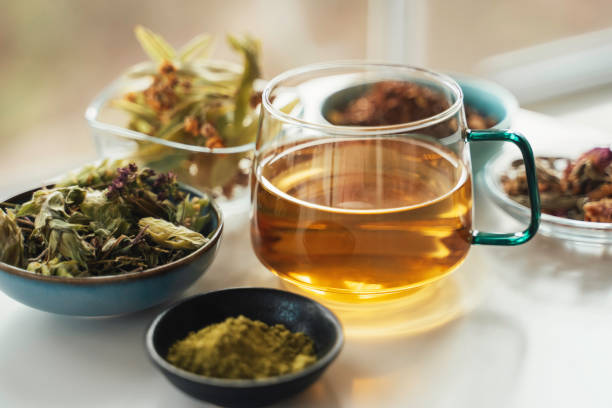
Single-Herb Foundation Recipes
Simple Chamomile Cup
- 1 tsp dried chamomile flowers (or 2 tsp fresh)
- 250 ml water at 90 °C
- Steep 5–7 minutes, covered
- Strain and serve plain — no milk needed
Chamomile from English gardens tends toward a softer apple note than imported bulk stock. If the flavour feels too mild, add a second teaspoon rather than extending steeping time beyond seven minutes, which introduces bitterness.
Garden Peppermint Infusion
- 6–8 fresh peppermint leaves, torn
- 250 ml water at 95 °C
- Steep 6–8 minutes, covered
- Optional: half tsp honey after straining
Harvest leaves before the plant flowers for the cleanest menthol character. Afternoon is ideal — morning dew should have dried but midday sun has not yet wilted the foliage. A sprig left in the cup continues releasing aroma as you drink.
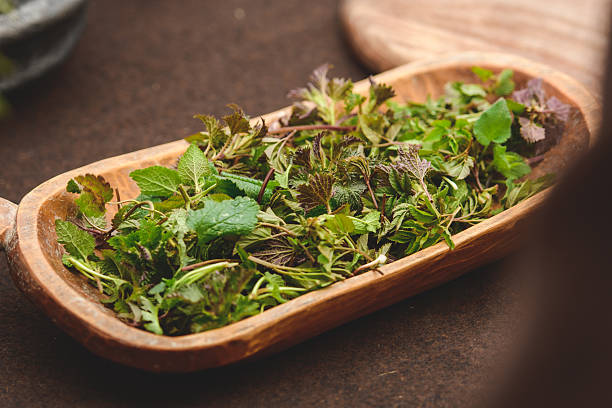
Spring Nettle & Lemon Infusion
A staple in British country kitchens each March and April when young nettle tops emerge. This recipe balances the grassy depth of nettle with bright citrus.
- Gather one cup of young nettle tops (top four leaves only) or use 2 tsp dried nettle.
- Bring 500 ml water to 95 °C. Pour over nettle in a heatproof jug.
- Steep covered for 8 minutes. Strain thoroughly through fine mesh.
- Add a thin slice of unwaxed lemon and optional half teaspoon of local honey.
- Serve warm in a large mug. Keeps refrigerated for up to 24 hours.
Nettle collected after flowering tends toward a coarser taste. Stick to spring growth for the cleanest cup. Wear gloves during picking and handling until the leaves meet hot water.
Traditional British Blends
Evening Garden Blend
Ingredients: 2 tsp chamomile, ½ tsp lavender buds, ½ tsp lemon balm. Method: 300 ml water at 90 °C, steep 6 minutes covered. Serve: Plain, in a ceramic mug after dinner as a caffeine-free floral cup. Popular in Cotswolds B&Bs as a guest welcome drink.
Morning Meadow Mix
Ingredients: 1 tsp peppermint, 1 tsp nettle, ½ tsp dried rosehip. Method: Steep rosehip and nettle in 250 ml at 95 °C for 8 minutes, then add peppermint for final 3 minutes. Serve: Hot with breakfast. The peppermint adds brightness without caffeine.
Winter Spice Tisane
Ingredients: 1 tsp dried rosehip, 1 cinnamon stick, 2 slices fresh ginger, 1 tsp dried orange peel. Method: Simmer all in 400 ml water for 12 minutes. Strain and serve hot. A farmhouse kitchen favourite from November through February across northern England.
Elderflower Summer Cooler
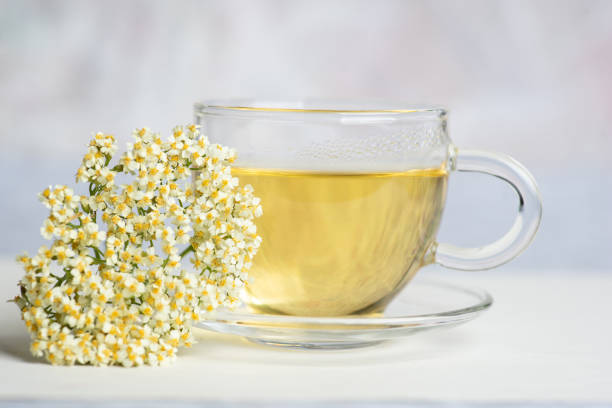
When elder trees bloom along British lanes in late May and June, this refreshing recipe captures their delicate perfume. Dried elderflower works equally well outside the brief fresh season.
- Steep 2 tsp dried elderflower (or 3 fresh umbels) in 500 ml water at 90 °C for 5 minutes.
- Strain into a glass jug. Add juice of half a lemon and 1 tsp honey if desired.
- Cool to room temperature, then refrigerate for at least 2 hours.
- Serve over ice with a sprig of fresh mint. Best consumed within 48 hours.
Elderflower has a subtle flavour that fades quickly with over-steeping. Set a timer and strain promptly. For a stronger version, increase flower quantity rather than steeping time.
Safety & Responsible Use
These recipes describe common home kitchen preparations for general enjoyment. They are not meal plans, dietary programmes, or substitutes for professional guidance. Individuals with allergies to plants in the daisy family (Asteraceae) — which includes chamomile and elderflower — should avoid those ingredients. Nettle stings are neutralised by boiling water, but always handle fresh nettle with gloves before steeping.
- Verify elderflower identification — do not confuse with poisonous umbellifers
- Limit lavender to small amounts; excessive quantities taste unpleasant
- Store prepared iced tea refrigerated and discard after 48 hours
- Seek independent professional advice if unsure about ingredient suitability for you
Events Calendar
| Date | Event | Location |
|---|---|---|
| 20 January 2026 | Classic Blends Tasting Afternoon | Oxford |
| 6 April 2026 | Spring Recipe Workshop — Nettle & Cleavers | Lake District |
| 18 July 2026 | Summer Cooler Steeping Session | Cornwall |
| 2 November 2026 | Winter Spice Tea Making Day | York |
Frequently Asked Questions
-
Multiply herb quantities proportionally for a one-litre teapot. Steeping time stays the same — do not extend simply because volume increased. Use a larger infuser basket so leaves have room to expand and release flavour evenly.
-
Most British herbal infusions are served without milk. Peppermint and chamomile in particular taste best plain or with a touch of honey. Robust spiced blends like the Winter Spice Tisane occasionally pair with a splash of oat milk, but it is a personal preference rather than tradition.
-
Use roughly double the volume of fresh herb compared to dried. Fresh material contains water that dilutes flavour concentration. Reduce steeping time by one to two minutes for very fresh, tender leaves like lemon balm.